
Step into Italy: Unforgettable Walking Tours and Trekking Routes
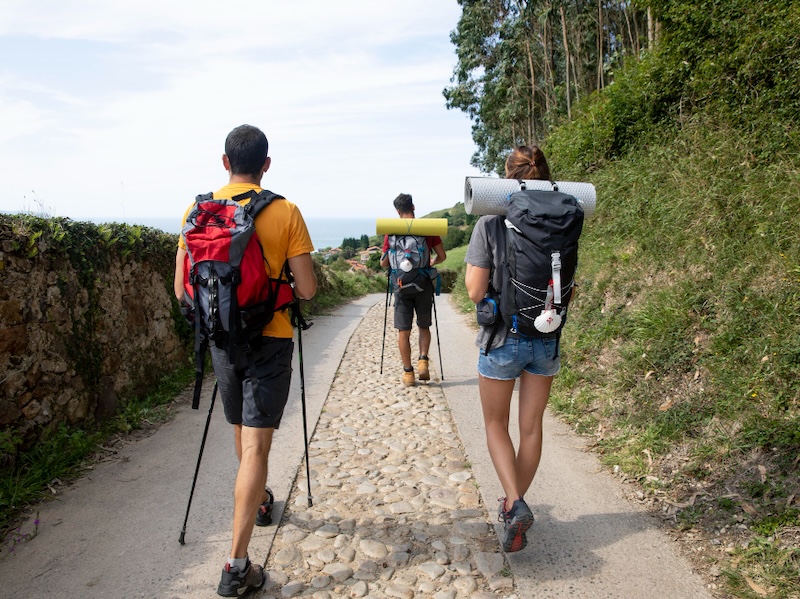
Italy is a country best understood at walking pace. Beyond the crowded piazzas and famous museums lies another Italy entirely, quiet mountain rifugi, cliffside footpaths, and vineyard trails winding through villages barely changed in centuries. Lacing up your boots and stepping off the tourist trail is the surest way to connect with the country’s landscapes, food, and local life. Here’s where to start.
Cinque Terre: Coastal Paths and Painted Villages
On the Ligurian coast, five pastel-coloured fishing villages cling to cliffs above the Mediterranean. The paths connecting them, most famously the Sentiero Azzurro, offer sweeping sea views, terraced vineyards, and the reward of fresh pesto at trail’s end. It’s a compact region, ideal for shorter trips, but the up-and-down terrain still demands sturdy legs and steady footing.
Tuscany: Rolling Hills and Timeless Towns
For a gentler, more cultural walk, Tuscany’s countryside delivers cypress-lined lanes, working vineyards, and medieval hill towns like San Gimignano and Montepulciano. Routes here, including sections of the historic Via Francigena, blend easy walking with wine tastings, farm stays, and Renaissance art, a trek that feeds the mind as much as the legs.
The Amalfi Coast: The Path of the Gods
Few trails live up to their name like the Sentiero degli Dei, the Path of the Gods, tracing the dramatic cliffs above Positano and Praiano. Vertiginous drops to the sea, lemon groves clinging to terraces, and views stretching to Capri make this one of Italy’s most rewarding half-day hikes, best walked in the cooler hours of morning.
Sicily: Volcanoes, Coastlines, and Ancient Ruins
Sicily rewards trekkers with real variety: the black volcanic slopes of Mount Etna, still active and otherworldly underfoot, paired with turquoise coastlines and Greek temples older than Rome itself. Few places let you hike an active volcano in the morning and swim in the sea by afternoon.
Practical Advice for Trekking in Italy
Spring (April–June) and autumn (September–October) offer the best combination of mild temperatures and thinner crowds, summer heat can make lower-altitude coastal trails uncomfortable. Pack proper hiking footwear, layers for changeable mountain weather, plenty of water, and offline maps for areas with patchy signal. For accommodation, seek out agriturismi (working farm stays), family-run B&Bs, and mountain rifugi, all of which offer a far more authentic welcome than a standard hotel.
Staying Connected on the Trail
Even the most off-grid trek benefits from reliable connectivity, for checking weather changes, navigating with GPS, booking last-minute rifugi beds, or simply sharing the view with people back home. Rather than hunting for local SIM shops or paying steep roaming fees, many travellers now turn to an eSIM: a digital SIM you can activate before you even leave home. Providers like Orange Travel offer affordable, reliable eSIM data plans built specifically for travel in Italy, so you can stay connected across the Dolomites, the Cinque Terre, and everywhere in between without hunting for Wi-Fi.
Conclusion
Walking is, quite simply, the best way to know Italy. It slows travel down to a human pace, revealing landscapes and encounters that a bus window never could. Whether you’re crossing a via ferrata in the Dolomites or tracing the Path of the Gods above the Amalfi Coast, a good pair of boots, and a reliable eSIM in your pocket, is all you need for a trip you won’t forget.


