
How much does a two-week trip to Thailand actually cost in 2026?

Planning a journey to the Land of Smiles requires a clear understanding of the financial commitment involved, especially as global economic shifts and a robust tourism recovery have influenced prices. For most travelers, a realistic two-week trip to Thailand in 2026 typically costs between $1,500 and $2,500 per person, a figure that comprehensively includes:
- International flights
- Accommodation
- Daily meals
- Various activities
While the country remains an exceptionally affordable destination by global standards, average prices have seen a slight 5 to 7 percent increase compared to previous years due to inflation.
Because the current exchange rate hovers around 36 to 37 Thai Baht per US Dollar, your purchasing power is still incredibly strong, allowing for a wide spectrum of travel styles ranging from shoestring backpacking to opulent luxury escapes. Understanding the specific cost drivers will help you craft a realistic budget tailored to your personal comfort level and itinerary preferences.
What is the overall cost range for a two-week trip?
The total expenditure for a fourteen-day Thai adventure depends heavily on your travel style, pace, and the specific regions you choose to explore. Authoritative travel data for 2026 indicates that while baseline costs remain manageable, the gap between a frugal journey and a premium vacation is substantial. By breaking down the anticipated expenses into distinct categories, travelers can better anticipate their financial needs and avoid surprises upon arrival. Whether you are navigating bustling Bangkok markets or relaxing on the pristine beaches of Koh Samui, your daily spending will dictate your overall financial footprint.
How much do budget and backpacker trips cost?
For the budget-conscious explorer, Thailand continues to be a premier destination. A typical backpacker can expect on-the-ground expenses to range from $700 to $1,200 for a full two weeks. When factoring in international airfare, the total cost generally falls between $1,000 and $1,800 per person. This highly economical travel style requires maintaining a strict daily spend of about $25 to $50, or roughly 900 to 1,800 THB.
To achieve this, travelers rely heavily on:
- Staying in hostel dormitories or simple guesthouses
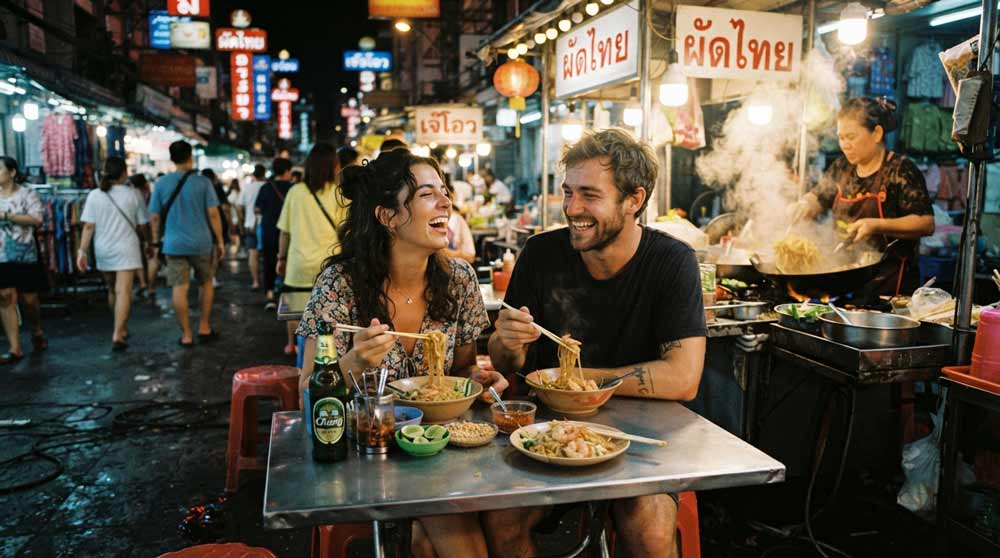
- Dining predominantly on local street food
- Utilizing public transportation networks rather than private transfers
For instance, a shoestring backpacker can comfortably keep their on-ground costs around $30 to $40 per day by carefully managing their itinerary and avoiding the more expensive tourist islands in the south.
What is the price of a mid-range or luxury vacation?
Most visitors are mid-range travelers seeking a balance of comfort and value. A comfortable mid-range trip in 2026 generally costs between $1,600 and $3,250 for on-the-ground expenses, translating to a daily budget of $60 to $100. When flights are included, the total realistic budget for most mid-range travelers sits roughly between $2,100 and $4,000. This allowance permits stays in well-appointed three to four-star hotels, a satisfying mix of authentic street food and sit-down restaurant meals, and participation in guided tours.
Conversely, those seeking a premium or quiet luxury experience should anticipate spending $150 to $300 or more per day. Luxury travelers easily spend upwards of $4,000 to $6,000 on the ground alone, with total trip costs frequently reaching $7,000 to $10,000 per person. This top-tier budget accommodates five-star international resorts, luxury private villas, fine dining establishments, and exclusive private transport.
How much will international flights to Thailand cost?
International airfare remains the single largest variable in your total vacation budget. Flight prices in 2026 fluctuate significantly based on your geographical origin, the season of travel, and how far in advance you secure your tickets. For travelers departing from within Asia or Australia, round-trip flights are relatively affordable, often ranging from $500 to $800.
However, those embarking on long-haul journeys from Europe or North America face steeper costs. From major United States hubs, round-trip tickets commonly cost between $900 and $1,100 during the low season, while specific East Coast routes can push the price up to $1,000 to $1,400. Many illustrative mid-range budgets allocate approximately $800 to $900 for airfare, making it crucial to monitor flight deals to stay within budget.
What are the daily expenses for accommodation and food?
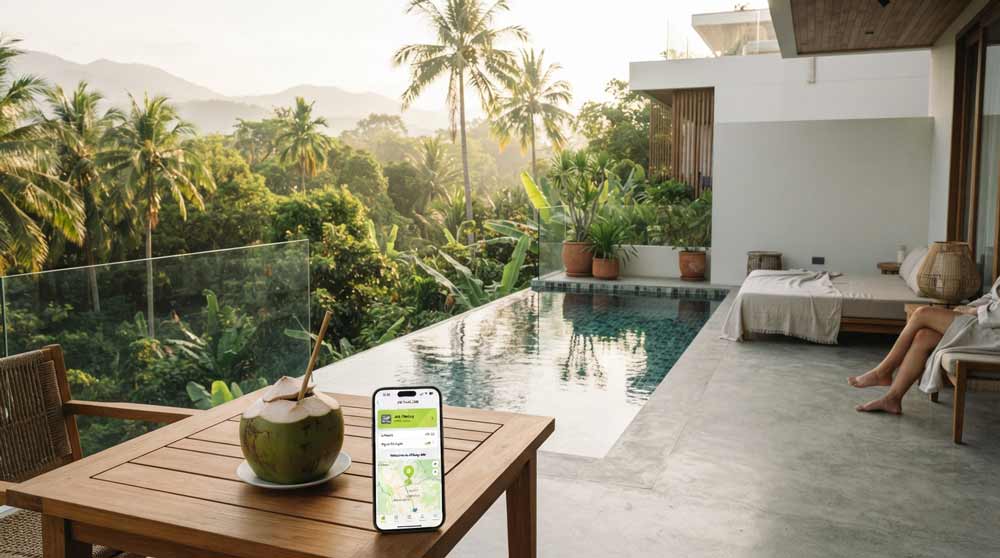
Securing a place to sleep and enjoying the local cuisine are your primary daily expenses once you touch down. Budget accommodation remains incredibly cheap, with hostel dorm beds priced at just $5 to $7 per night and simple private rooms starting around $15 to $30. Mid-range travelers typically spend between $40 and $100 per night, which secures comfortable, air-conditioned rooms in popular areas or boutique guesthouses. For luxury seekers, five-star international brands and high-end island resorts demand $180 to $400 or more per night.
Food costs are equally tiered. Street food is a cultural staple and highly economical, allowing budget travelers to eat well for just $10 to $15 per day, with typical meals costing between $2 and $4. A mid-range dining approach, which blends street food lunches with nicer restaurant dinners, comfortably costs $20 to $35 daily. Meanwhile, higher-end fine dining and the inclusion of alcohol can easily elevate daily food expenditures to $40 to $60 or more, especially in cosmopolitan Bangkok or on upscale islands like Koh Samui.
How much should you allocate for local transport and mobile connectivity?
Navigating cities and staying connected are crucial logistical elements that require a dedicated portion of your budget. Local transport is generally inexpensive; short urban rides using the Bangkok BTS, MRT, or metered taxis typically cost between $0.40 and $4.10 per journey. On the islands, renting a scooter is a popular and cost-effective choice, averaging around $5 to $6 per day. Mid-range travelers typically allocate $5 to $15 daily for local transit.
Beyond physical movement, securing reliable internet access is vital for navigation, translation, and staying in touch. Instead of purchasing physical SIM cards upon arrival, modern digital nomads and tourists increasingly rely on digital solutions. Securing the best eSIM for Thailand prior to departure ensures instant connectivity the moment your plane lands. Solutions like Amigo eSIM allow users to purchase, install, and activate flexible data packages via a simple QR code, instantly connecting to strong local networks while avoiding exorbitant roaming fees.
As a 2026 bonus, you can save 15% on your Amigo eSIM for Thailand by entering the code AMIGO-TH-0726 at checkout — a small saving that slots neatly into any backpacker or mid-range budget.
What is a realistic budget for tours and activities?
Thailand offers an abundance of incredible experiences, from exploring ancient temples to island-hopping in the Andaman Sea. Your activity budget will depend heavily on whether you prefer independent exploration or curated, guided experiences. Typical group tours, such as cooking classes, ethical elephant sanctuary visits, or full-day snorkeling excursions, generally cost between $20 and $50 per tour. Entrance fees for national parks, historical sites, and smaller attractions are quite modest, usually ranging from $3 to $10 each.
Wellness is also a major draw, and traditional Thai massages remain highly affordable at roughly $8 to $15 per hour. For those seeking a more personalized touch, hiring a private guide will cost approximately $70 to $120 per day. On average, a mid-range traveler should expect to spend about $20 to $40 per day on activities, recognizing that some days will involve free beach lounging while others may feature pricier full-day excursions.
How do essential international travel preparations affect your budget?
Before you even pack your bags, there are several pre-trip expenses that must be factored into your overall financial plan. Travel insurance is a non-negotiable necessity that protects against:
- Medical emergencies
- Trip cancellations
- Lost luggage
This typically adds a nominal but essential fee to your total cost. Additionally, ensuring your routine vaccinations are up to date and acquiring any necessary medications can incur out-of-pocket expenses depending on your healthcare coverage.
Another crucial preparation is setting up your digital infrastructure for the trip. Investing in a travel eSIM before you leave home is a smart financial move, as it eliminates the need to hunt for local telecom kiosks at the airport and completely bypasses the massive international roaming charges typically imposed by domestic carriers. By handling these logistical and health-related preparations in advance, you safeguard your carefully planned on-the-ground budget from unexpected shocks.
Why do real traveler budgets vary so significantly in 2026?
When researching travel costs, you will quickly notice a massive disparity in reported expenditures among visitors. This variation exists because trip costs are heavily influenced by personal choices. The most significant variable is the cost of international flights based on your geographic origin. Furthermore, your chosen accommodation tier creates a massive divide; opting for a five-star resort over a basic guesthouse exponentially increases the daily burn rate.
Your specific itinerary also plays a major role, as popular southern islands like Phuket and Koh Phi Phi command much higher prices for food and lodging compared to the northern cultural hub of Chiang Mai. Travel pace is another hidden cost driver; frequently changing locations necessitates purchasing domestic flights or long-distance train tickets, whereas slow travel minimizes transit fees. Finally, lifestyle choices such as frequenting nightlife venues, consuming alcohol, or traveling solo rather than as a couple – which typically requires a 15 to 25 percent higher budget per person due to the inability to split room and transport costs – will dramatically alter your final financial tally. Enjoy, travel is a great form of education.


