

Kilimanjaro 360° Cycle Tour
Circumnavigate Kilimanjaro on 2 wheels – 286km in 5 days
| Group Dates | Land Only |
|---|---|
| 13 - 19 Sep 2026 | £1995 |
| 24 - 30 Jan 2027 | £1995 |
| 6 - 12 Jun 2027 | £1995 |
| 11 - 17 Jul 2027 | £1995 |
Prices based on a min group size of 2 people.
Different dates? – Choose your own departure dates if those you see are not suitable.

During the first 2 days, you may come across some local inhabitants.
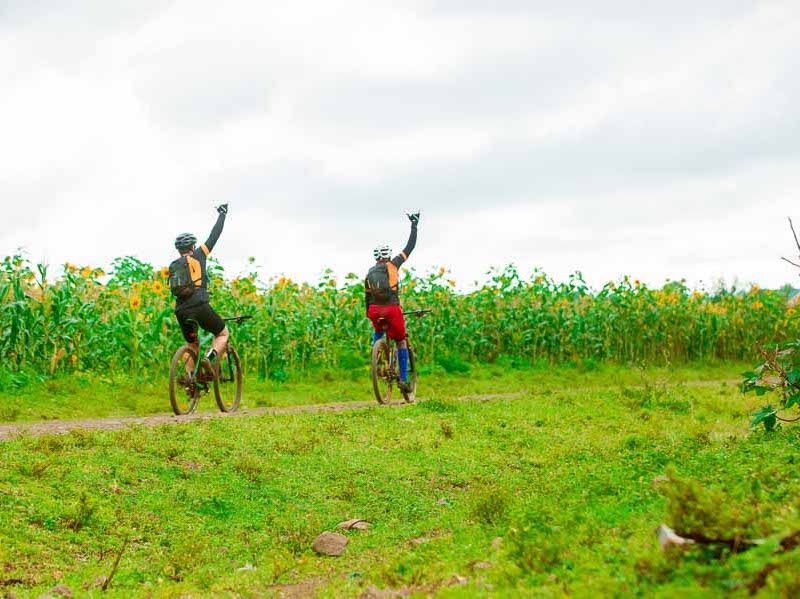
Rural farmland, including coffee plantations.
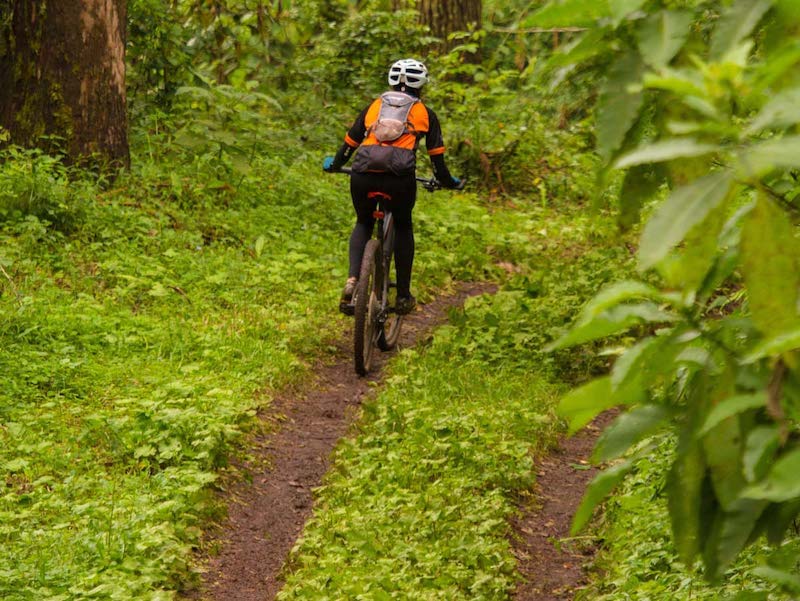
Experience the dense forest of the Marangu area during the latter part.
E-BIKES
Let our e-bikes take the strain!
If you are unsure about being able to cope with a ride of this nature (distance or physical effort, or both), consider an e-bike. They are great fun to ride and open these challenges to non-regular cyclists and anyone who feels the distance/effort may be too much for them.
The e-bikes are standard mountain bikes but with pedal-assisted battery power. They do not pedal themselves! As you put pressure on the pedal, the onboard battery provides assistance making it easy to accelerate and maintain a decent speed. They come into their own on difficult terrain and uphill. In addition to using batteries capable of long-range, we carry (and charge on the move) additional batteries to replace if required to complete the day. The bikes have a number of ‘power settings’, from economy to turbo, so you can adjust as you feel the need.
There is a limited number of e-bikes available, and an additional cost applies to hiring these bikes.

Tanzania Notes
Essential information on clothing and equipment, such as waterproofs, boots, sleeping bags, daysacks and more, can be found in our dedicated Essential Information section. It also includes generic information on travel health, travel insurance and high altitude trekking.
Generic information such as group numbers, tailor-made trips can be found on our General Information section.
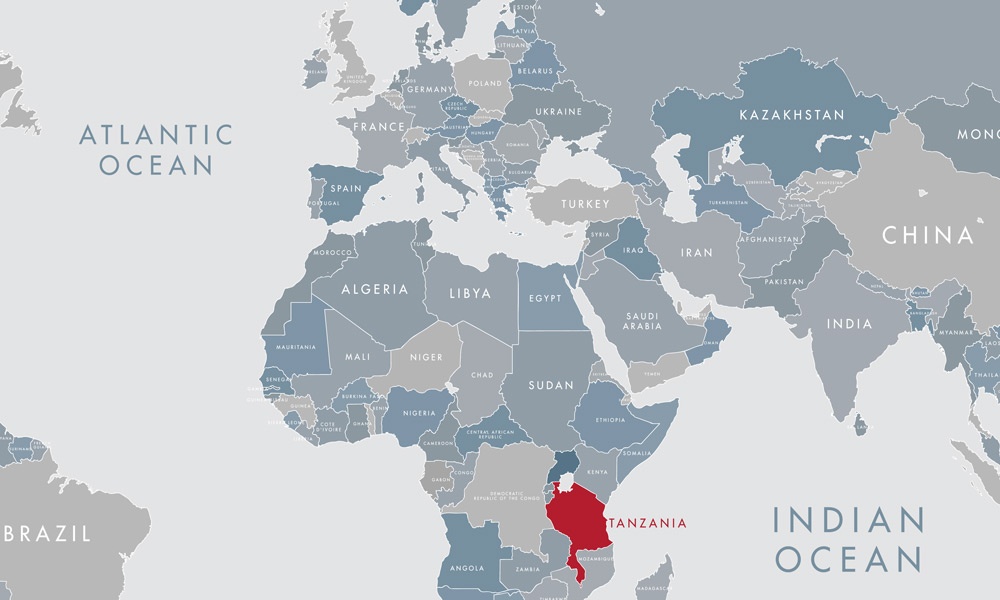
Tanzania is a beautiful, welcoming country blessed with numerous options for trekking and cycling adventures, safaris, relaxation on white sandy beaches, or a mix of all of them.
Everyone will associate Tanzania with Kilimanjaro but it is a lot more than that. The Ngorongoro Crater, Tarangire, and the Serengeti are all Safari parks, home to a wonderful array of wildlife and all accessible within just a few days. And we must not forget the beautiful island of Zanzibar just off the coast. This island has miles of white sand beaches, and warm shallow turquoise waters to base a relaxing holiday around.
Download the Kit list for Cycling
Passport – Your passport must be valid for at least 6 months from the date you arrive in Tanzania. Please check the latest Entry Requirements for Tanzania using the FCDO Travel Advice Tanzania. webpage.
Visa – A tourist visa is required for Tanzania. You can either apply and obtain it prior to travel (e-visa) or obtain the stamped visa in your passport on arrival at the airport. We recommend the former (e-visa prior to travel), it will save you a lot of time on arrival at the airport.
You can apply for a Tanzanian e-visa through the official website here. It’s an easy process, and the e-visa is returned usually within a few days. The current cost is US$50. Request our pdf guide to completing the the e-visa application.
International Flights – We do not include, or sell international flights. We can assist you with advice on the best flights based on our extensive experience of such matters in order to get you to, and from your destination based on your own travel plans. How to fly to Kilimanjaro.
Internal Flights – Internal flights may be included in certain cases if it forms part of the itinerary. This will be made clear during the booking process. Be aware that where internal flights are involved, the luggage allowance may be smaller than that of the international flights.
London not convenient? – Other regional airport options are possible. We appreciate the potential inconvenience of London if you live some distance away. Whilst using regional airports may cost more, that cost may be offset by the cost and time of travelling to London. Please ask for advice.
Also consider the use of the Sleep ‘n Fly sleeping pods, such as those in Doha airport. They can offset the effects of a long layover.
It doesn’t matter what activity you do in Tanzania, despite best efforts (being covered) your luggage is going to get covered in dust when in transit such is the nature of the terrain (dust).
The only realistic restriction on luggage (size and weight) is that of your international flight airline, or (if applicable) the domestic airline.
It really doesn’t matter what type of luggage you use as your luggage will be transported by a vehicle on a daily basis.
Travelling there – Some travellers prefer to use a hard-backed suitcase for transporting their luggage on international flights. They are more robust, and secure and protect your more valuable items during the often rough handling of the airline transit process.
Return airport transfers are included for our scheduled itineraries. Charges may apply if you divert from the main groups’ itinerary producing the requirement for additional transfers. If in doubt, please check with us.
Kilimanjaro based Hotels/Lodges – these are generally used for the first and potentially final nights in Tanzania. They have a classic Tanzanian welcome, friendly and are all well equipped for your needs.
Lodges (including tented lodges) – used for the cycle rides and safari accommodation. Lodges can come in various forms. All have a central communal area where the restaurant is based. Accommodation can either be solidly built (eg, brick) or tented form (on a solid base), or individual huts spread around the large grounds. Either way, they are spacious, in keeping with traditional Tanzanian culture and well equipped with showers or bath, beds, etc.
This is a typical tented lodge.
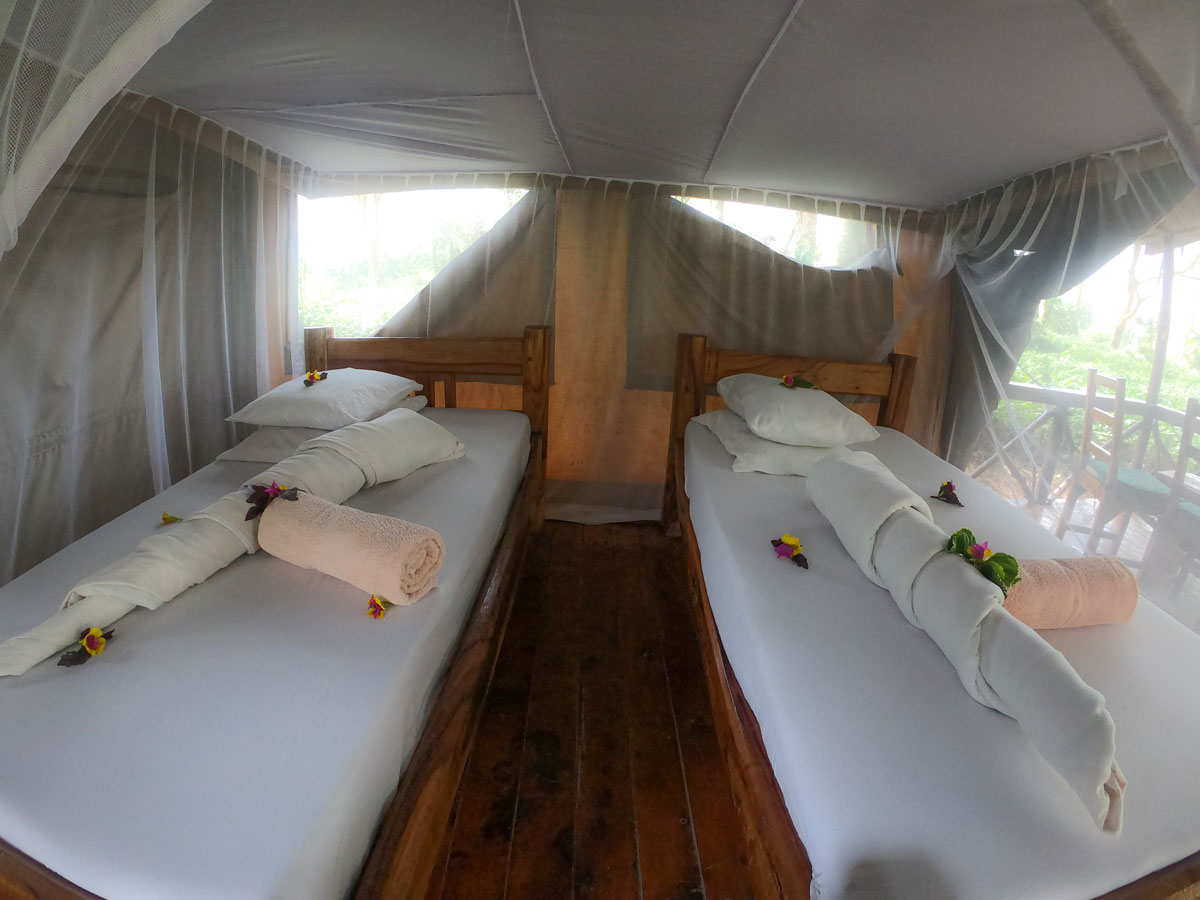
Single room option costs are stated under the Dates & Prices tab above.
Cycling
- B’fast is supplied in hotels/lodges, full board during the cycle (including unlimited safe drinking water).
- Breakfasts are a choice of cereals, porridge, toast, eggs, spreads, etc.. plus hot drinks.
- Lunches can be packed meals (made up at b’fast), or a hot meal at a specific location en route during the ride. It can also be taken at the next night stop on arrival depending on the length of the ride that day.
- Feeding ‘stations’ are set up along the cycle routes, at regular intervals. They consist of water, chocolate, and fruit snacks.
- The evening meal is served at the Lodge.
Safari & Other Touring
- B’fast is supplied in hotels/lodges.
- Packed lunches (including water) are supplied for safari game drives, if applicable. This will be confirmed prior to booking.
- Other meals may or may not be included depending on the itinerary. The itinerary will confirm.
Use bottled mineral water in hotels and when out and about. Do not drink tap water.
Catering for vegetarians presents no issues.
Most dietary requirements can be catered for if we are aware in advance.
Tanzania’s currency is the Tanzanian Shilling (Tzs). It is not available in the currency markets.
The US$ is king here and given the amount of time, and where, you can spend money, it is suggested you stick to this currency for ease and convenience. The biggest advantage is that you can get the currency (US$) before arrival in Tanzania.
Personal spending. You will be staying in Lodges/hotels on a nightly basis and therefore snacks and drinks (including alcohol) will be available to purchase if you wish. If you include the odd souvenir, £200 – £300 should be enough but this does depend on your personal spending habits. We recommend carrying additional spare cash OR a debit/credit card as a backup. The latter (credit card) should always be carried for emergencies.
ATMs are available in Moshi but that will involve a trip into town (taxi required) as well as the time to travel there and back.
Staff Tips. Please ask us for advice.
Credit Cards are accepted in larger establishments, such as hotels. Travel credit cards.
Fitness is very subjective and in simple terms, you should train for what you are going to do; ride a bike for an extended period of time.
Whilst challenging rides, these are designed to be fun and enjoyable, not to kill anyone! Regular riders will know what they can do but if you’re unsure or perhaps not a regular rider, consider the e-bikes. They are fantastic bikes, great fun to ride. See what e-bikes are all about.
Rest stops (with snacks and fluids) are very frequent but ultimately you will be in the saddle for a good number of hours each day. The scenery and wildlife you will experience are superb, an experience you will not forget.
Cycling – General
- The bikes are mountain bikes. There is no technical riding involved.
- Road surfaces will be a mix of tarmac, solid dirt roads (suitable for 4x4s), and some softer sand/mud type surfaces at times if conditions are wet.
- You can expect to be in the saddle for a significant number of hours per day.
- The bikes are well maintained and mechanics will ride with you + the support vehicle.
- Feeding ‘stations’ are set up at regular intervals with drinks and snacks.
- Consider taking your own saddle and helmet for comfort.
- Take your own pedals/clip-in shoes if you wish.
Kilimanjaro – Ngorongoro
This ride goes west from Moshi to the Ngorongoro Crater. It covers a min of around 40km per day, ranging up to approx 100km on the longest day.
The distances are not exact, as the route may vary. The 5 days of riding (in km) are 61, 83, 102, 74, and 43. Total 363 km. Weather conditions may alter that. The average journey time per day is about 7 hrs, including rest stops.
The riding surfaces are a mix of 4×4 dirt tracks, some soft sand tracks, and tarmac. There are some tough ascents, particularly on the final day but the views and what you see are well worth the effort.
Parts of this ride do route through wild animal migration corridors and therefore it is highly likely that you will see Zebra, Giraffe, and Wildebeest roaming. These animals are not dangerous.
Kilimanjaro 360° Challenge
As the name suggests, this ride circumnavigates Kilimanjaro itself (clockwise). It covers 286km over 5 days of riding, with an accumulative ascent of 3440m (highest altitude attained 2100m). It uses both dirt tracks and tarmac surfaces. The longest day – is 75km, and the shortest – is 40km, on average is 57km per day.
Parts of this ride do route through wild animal migration corridors and therefore it is highly likely that you will see Zebra, Giraffe, and Wildebeest roaming. These animals are not dangerous.
Kilimanjaro and Coast
Not to be confused with the Kilimanjaro to Coast bike ride below.
This is our ‘prettiest’ ride, with two 3-day phases. Distance 340km.
Phase 1 – A 3-day ride in the Kilimanjaro area starting at Simba Farm Lodge and riding south and east around the southern side of Kilimanjaro. It rides through the wild animal migration corridors and therefore it is highly likely that you will see Zebra, Giraffe, and Wildebeest roaming. These animals are not dangerous. It also stays with the Maasai for 1 night at the Osiligai Maasai Lodge, and all of the rich cultural traditions that come with it.
Phase 2 – 3 days of riding south with the Indian Ocean on your shoulder. A much flatter phase, it also rides through part of the Saadani National Park.
Kilimanjaro to the Coast
This is the longest of our 4 rides on offer, and rides all of the way from Moshi to the Indian Ocean coast (barring a few small transfers). The riding surfaces are generally dirt tracks and whilst the starting altitude of approx 950m, dropping to sea level, it is certainly not all downhill! It routes through a low-level mountain range, very rural, with few (if any) tourists.
For any advice – call 01529 488159 or 07725 943108.
The bikes provided do change from time to time through wear and tear, but they will be of good quality.
They are well maintained and you will be fitted to the bikes prior to departing on a full ride. Any issues or adjustments will be done for you by the mechanics supporting you. Spares parts, puncture kits, and even spare bikes are carried in support of your ride.
Tip … take your saddle, or take a padded top. The saddles fitted to the bikes are standard saddles, nothing fancy. You may wish to add a bit of soft support for comfort!
If you’re riding an e-bike, they will have long-range batteries, and the support vehicle will carry spares to ensure sufficient power for the day’s ride. The support vehicle can charge batteries on the move. You will be expected to manage the power modes where appropriate to help manage the battery life.
Our trips in Tanzania are geared around what is deemed to be the best weather conditions for that activity. But given the climate change environment, predictions are made more difficult. Our Kit Lists take into account changeable conditions.
All of our trips take place in northern Tanzania and they are therefore just a few hundred kilometres south of the equator. You can therefore expect a warm/hot environment at ground level.
The biggest potential issue is flooding. If it rains, it can rain hard and due to the hardness of the ground (sun-baked), some areas can flood quite quickly. Route changes may be necessary for safety reasons.
The support vehicle is there to support you in all sorts of conditions.
Medical – Vaccinations
Advice for vaccines is constantly developing. Visit your GP and the UK’s travel health website for the most up-to-date advice and information on where you will be travelling to (including Malaria). Don’t forget to include ALL travel if it includes a wider itinerary.
All Cycling – your Guide will meet you at the hotel/lodge on your arrival day. You’ll have a briefing and then he (and others) will be with you for the bike fitting. They will then be with you throughout the cycle. The Guide will be assisted by mechanics and assistant Guides if required (all on bikes), depending on the size of the group. There will also be a support team in the 4×4, They set up feeding stations and support the Guide and mechanics.
Safari and Touring – You will have a Driver/Guide depending on the nature of the tour.
Mobile Phones
Mobile phone coverage is quite good but not everywhere (don’t rely on it). It is improving. Most hotels and Lodges have free wifi.
Tanzania’s electricity supply is 230v, 50Hz. They use the British-style 3-pin square plugs, although many are now also wired for the European continental 2-pin sockets. It is advisable to take an adaptor to make use of all available sockets. World power and plugs – see what works?
Extensions In Tanzania
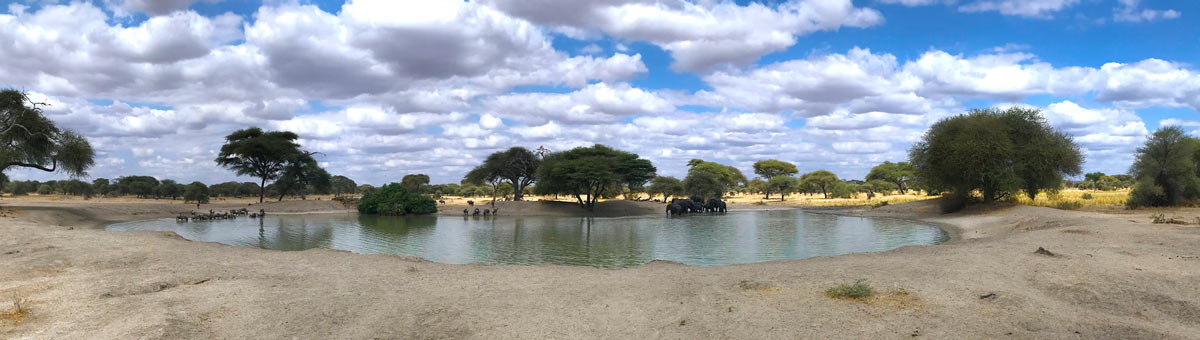
The options for extensions in Tanzania, and beyond, are endless.
Tick the box on the Booking Form and we will contact you to discuss your requirement.
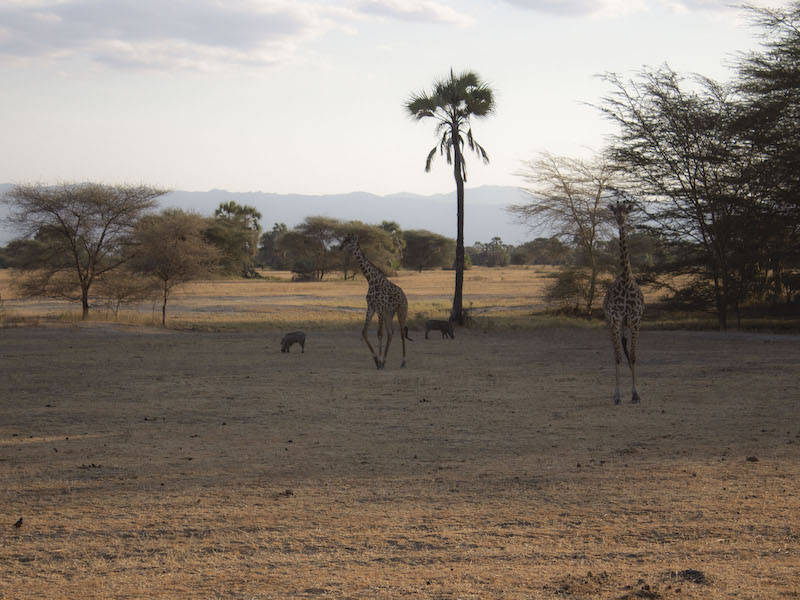
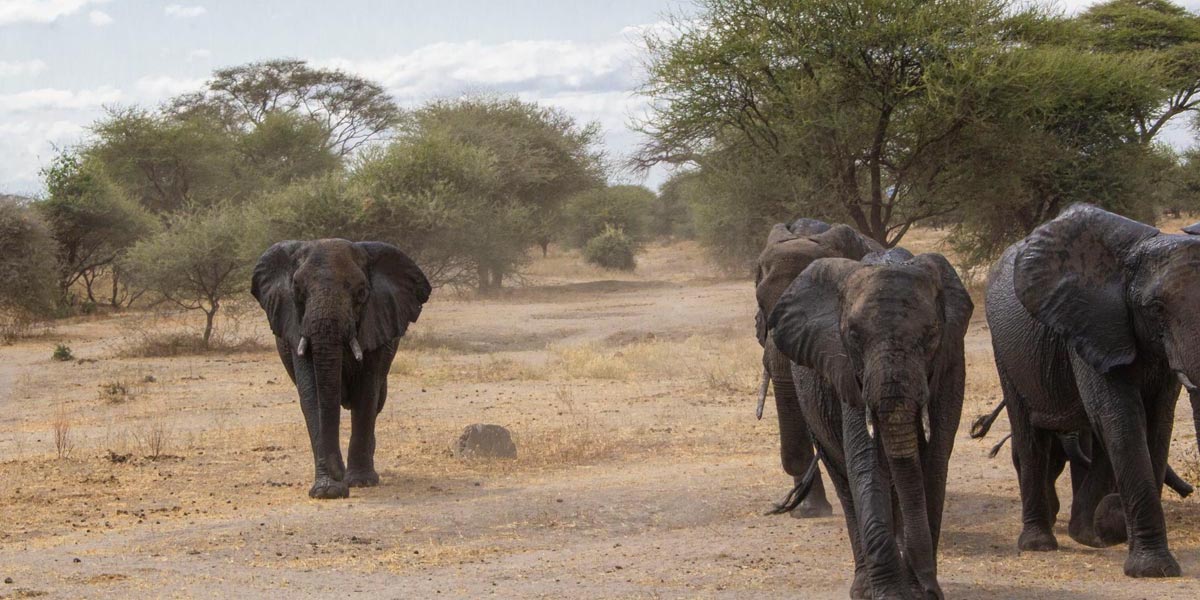
2 Day Safari – Tarangire and Ngorongoro Crater
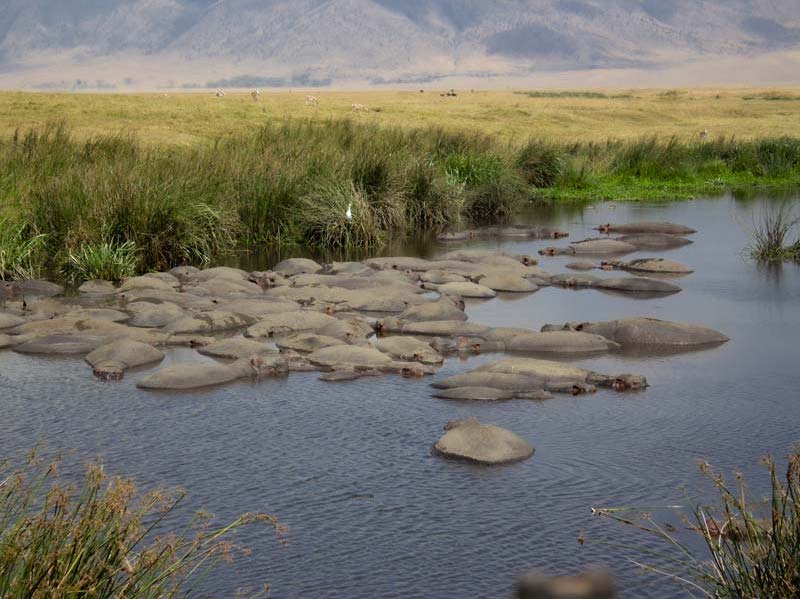
This 2-day safari option is the best way to experience some of Tanzania’s amazing wildlife with a visit to Tarangire National Park and the Ngorongoro Crater. The concentration of wildlife in these two parks maximises your chances of viewing a variety of wildlife within a short period of time. You are highly likely to see Elephant, Giraffe, Zebra, Wildebeest, Hippos, Antelope, Buffalo, Hyena, and Lion amongst others.
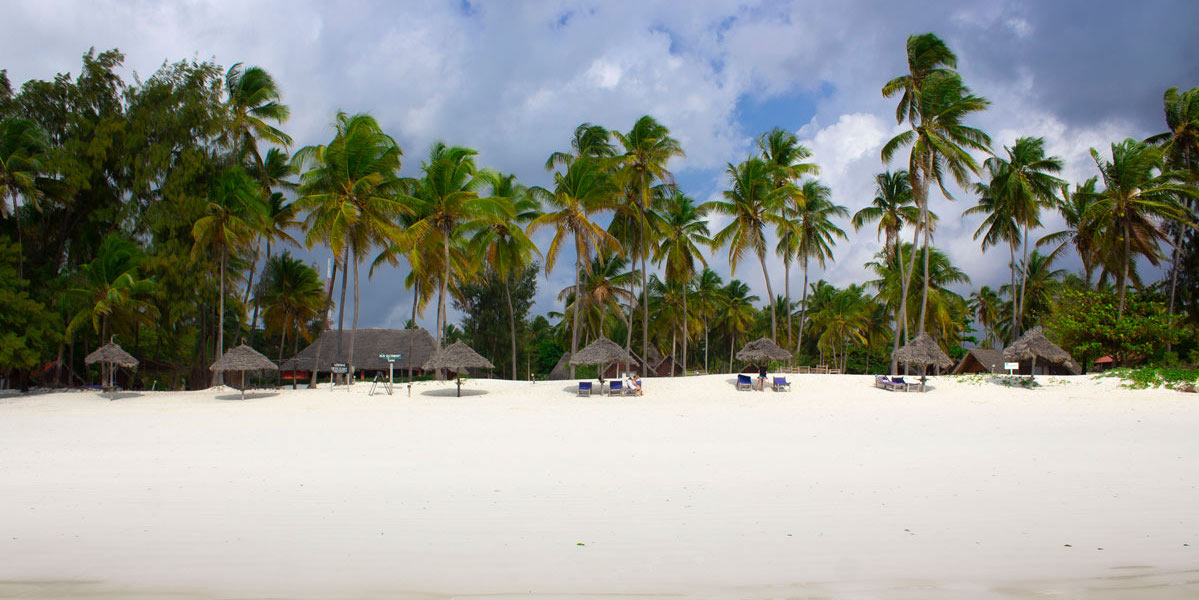
4 Nights in Zanzibar – Perfect Relaxation
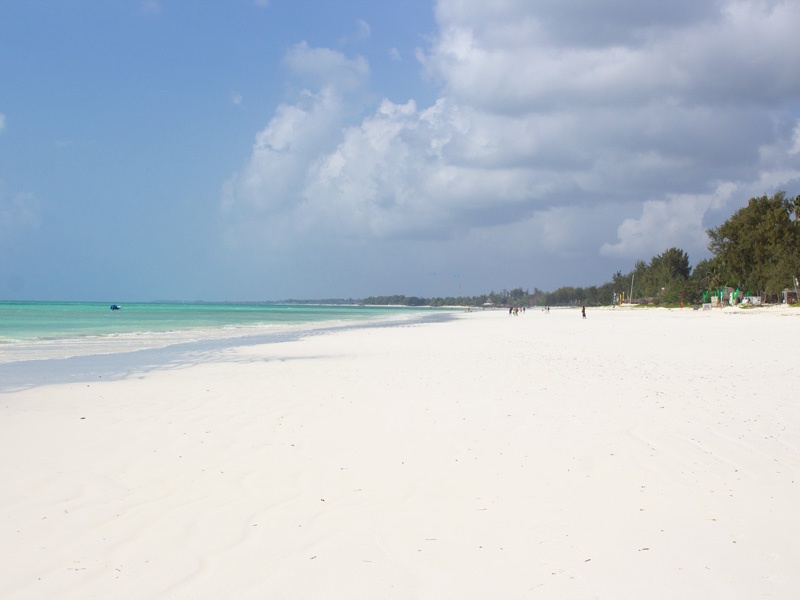
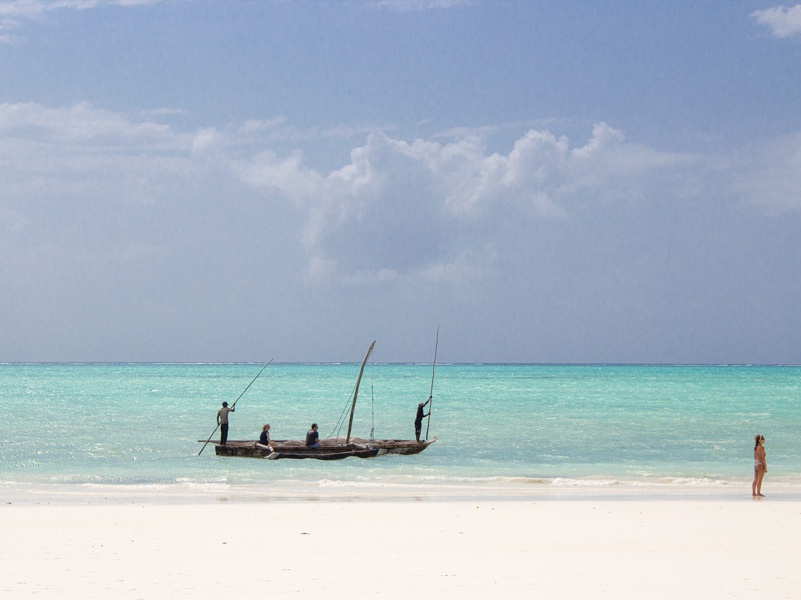
If you want to relax in an uncrowded location with pure white sand by the turquoise waters of the Indian Ocean, look no further.
- Kick your shoes off on arrival and leave them off!
- 3 full days to truly relax.
- Beautiful shallow sea that stretches out a long way.
- Fly back from Zanzibar, no need to fly back to Kilimanjaro.
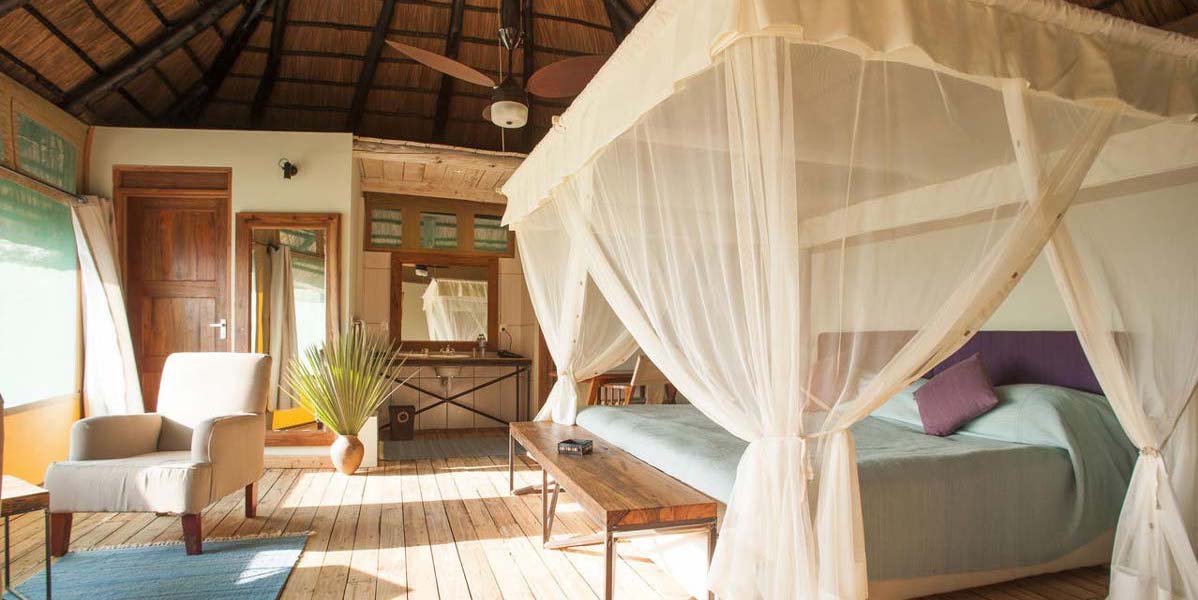
Tented Lodges
Tented lodges are an awful lot more comfortable than the name perhaps implies. The ‘Lodge’ often refers to the central building where the reception and restaurant is. The accommodation is generally well spread out (walking distance) so it is effectively a detached room.
The accommodation is set on hard standing, the canvas ‘walls’ are in keeping with the surroundings and environment. Inside the beds are normal beds with shower/bath facilities. Lodges have their own styles so you’ll experience something different where ever you stay.
All of our holidays can be tailor-made for YOU and we make it simple. It’s so easy to do.
Popular Treks and Cycles

Kilimanjaro, Lemosho

Annapurna Circuit

Ngorongoro Bike Ride, Tanzania

Sahara
Our Reviews
Pokhara – What To Do & See

Everest Base Camp Review

Kilimanjaro vs EBC | Treks Compared | Which is Harder

Is The Maldives Worth It?


