
No roads, No people, No sounds
5-day Sahara trek
£850 per person, excl flights
3 – 11 Apr 2027
BWC Sahara Trek 2027
3 – 11 Apr 2027
Experience this superb 5-day Sahara adventure into the world’s largest desert, while raising funds for the Birmingham Women’s and Children’s Hospital.
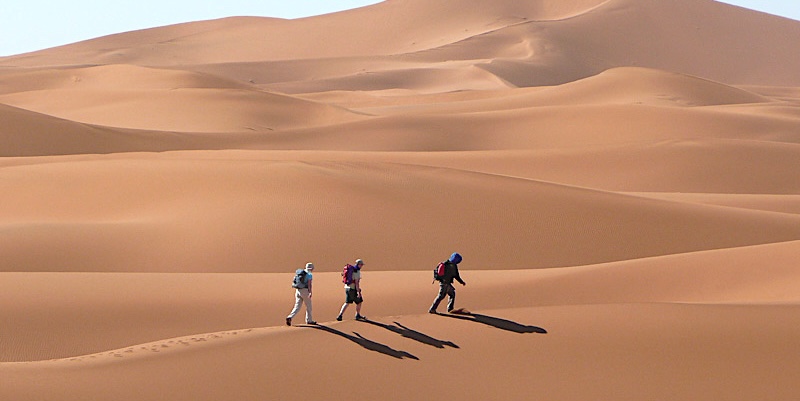
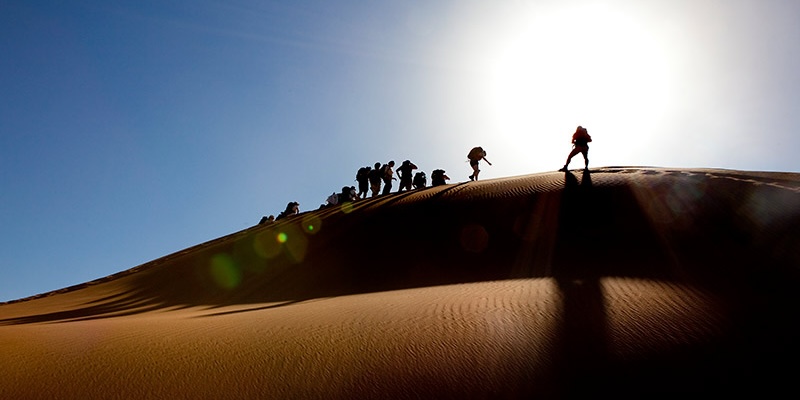
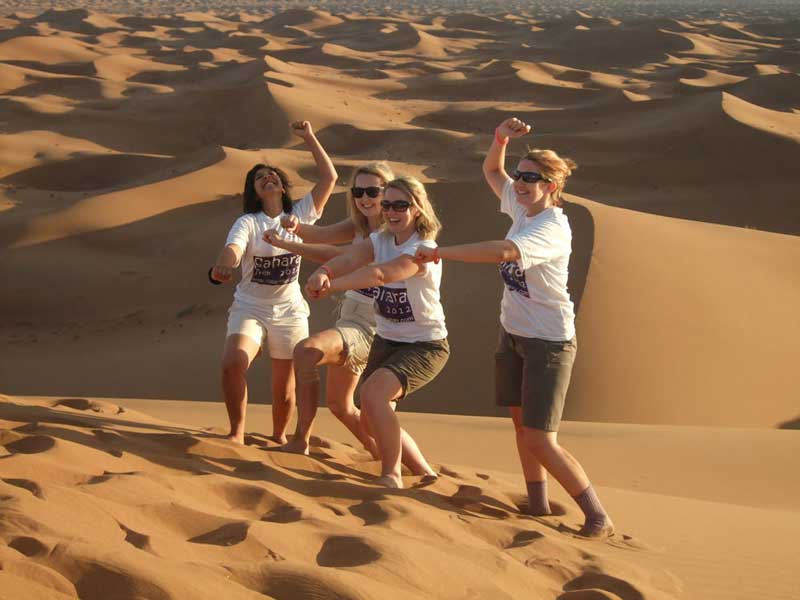
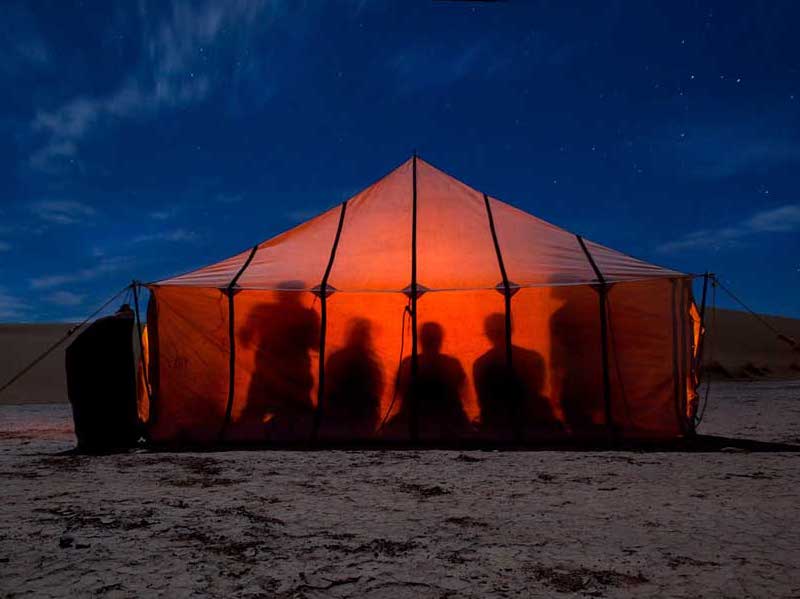
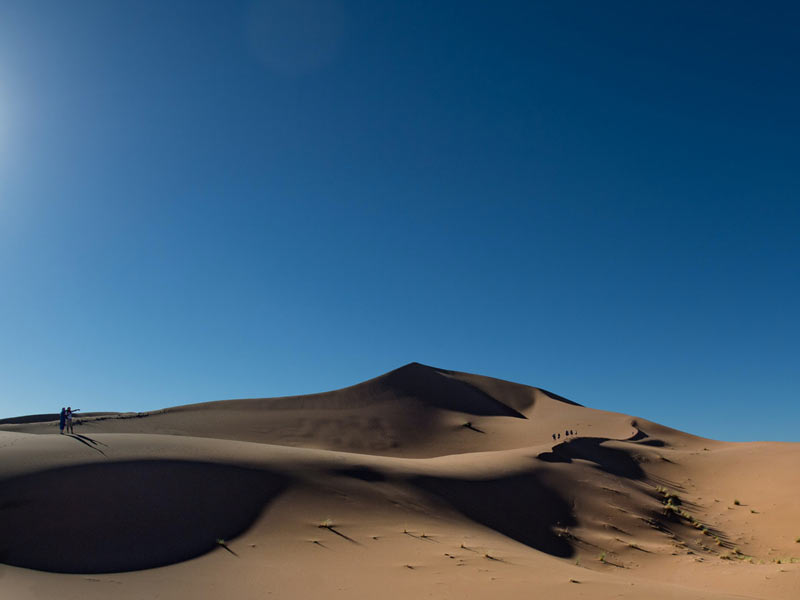
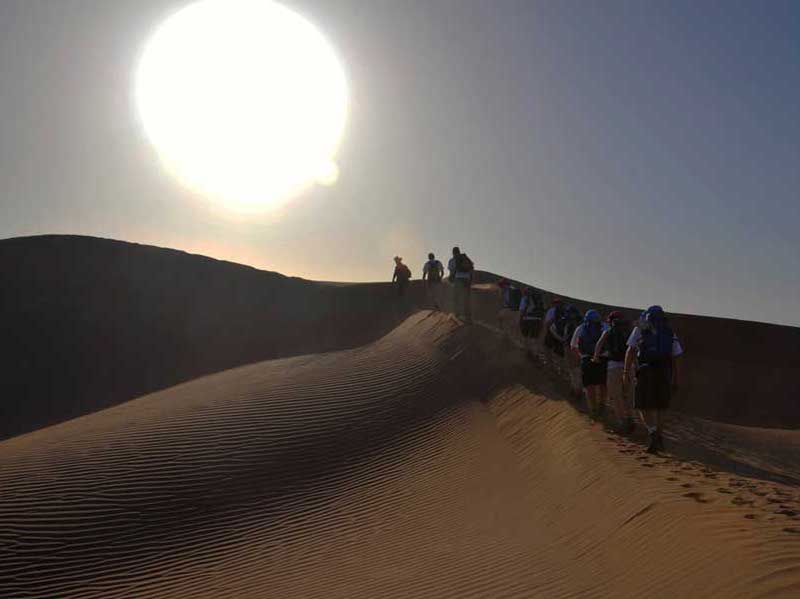
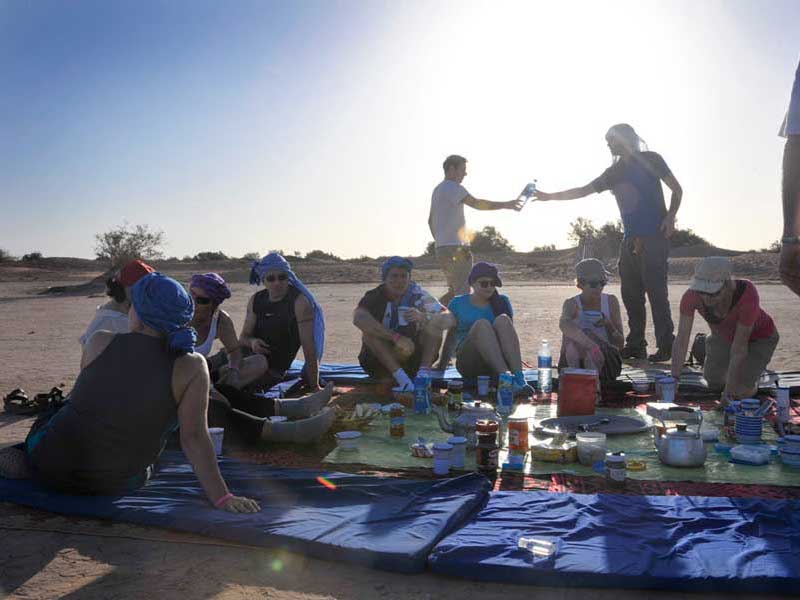
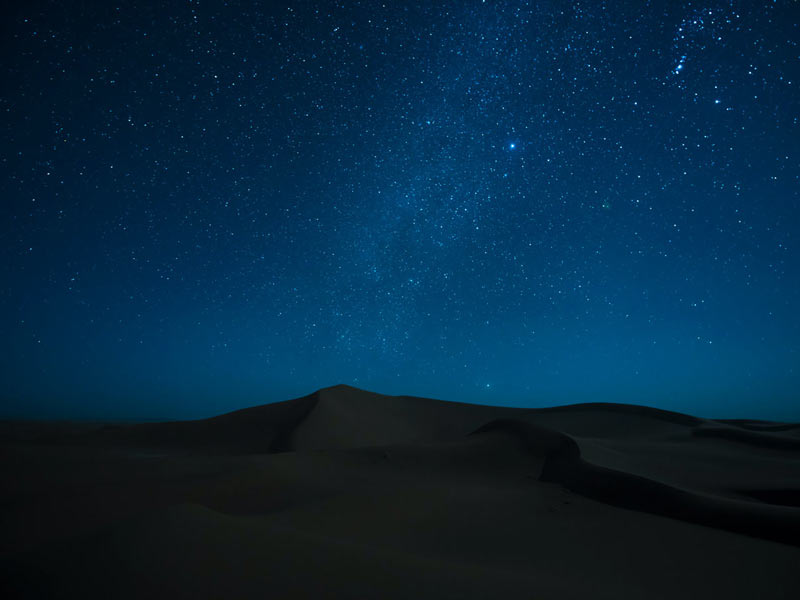
Sleep wild under the star filled skies surrounded by miles of remote rolling dunes. There are no roads, no villages, no sounds, just a sea of sand and silence as you progress across miles of desert. This challenge suits a wide range of abilities.
BWC Sahara Trek 2027: 9 days/5 day trek
Price: £850
per person
____________
Deposit £200
Balance due 8 weeks prior to departure
Sole occupation – £215
9 days/5 days trekking
All meals on trek
Full camel support
4 nights hotel/Riad
4 nights tented
Excludes flights
____________
Ask a question, or call Terry: 07725 943108
BWC Sahara Trek 2027
Completely self-contained (all supplies are carried by camels), once you set off, you will leave civilisation behind for 5 days for what will be a minimalistic existence. It’s liberating, it’s refreshing. Sleeping out under the stars is something you will not forget, and with no ambient light, the array of stars on show is mesmerizing. Read our comprehensive review of the Sahara Desert Trek.
- Magnificent rolling Sahara sand dunes; gloriously remote
- Wild camping under the star-filled skies; absolutely brilliant
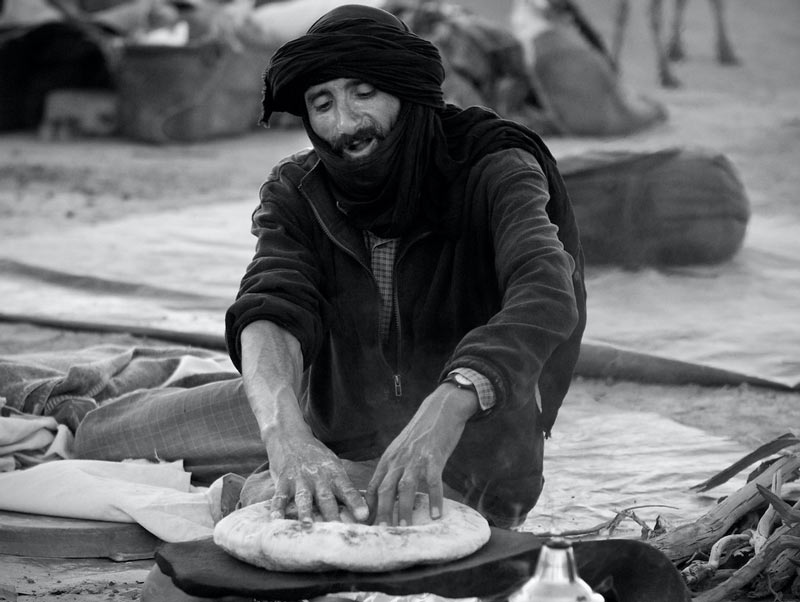
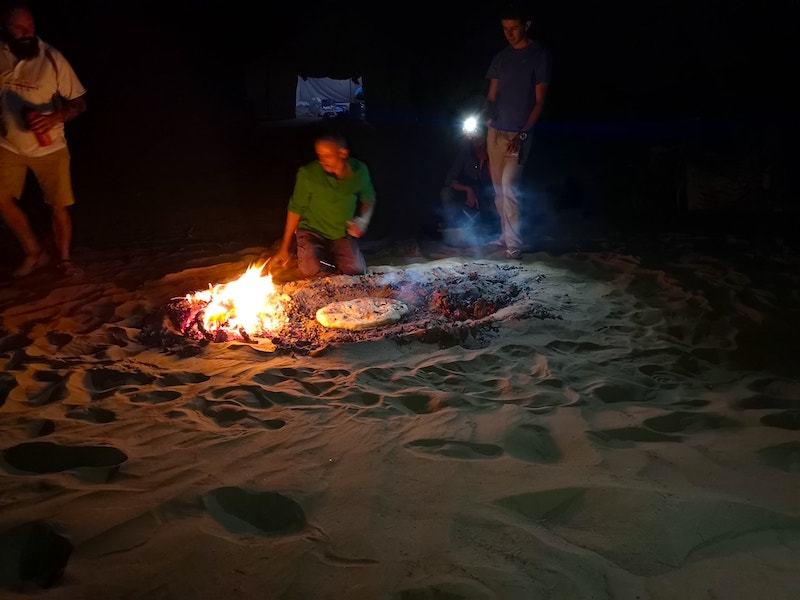
- Bake bread in the sand; the food is excellent
- Time to explore Marrakech
This is not forgetting the great scenic drive over the High Atlas mountains to and from the Sahara, which demonstrates just how diverse Morocco’s terrain is. It takes the best part of 2 days to drive down there, with an overnight stop in Ouarzazate. We also visit the UNESCO site of Ait Ben Haddou, the film location of so many blockbuster films, including ‘The Gladiator’ and ‘Game of Thrones’.
Sole Occupation/Single Room
The fee is for a single room in hotels/Riads (4 nights) and a tent to themselves in the desert (4 nights).
Itinerary
3 Apr 2027 – Depart UK, fly to Marrakech
4 Apr – Drive Marrakech to Ouarzazate
5 Apr – Drive to M’Hamid, begin trekking
6 Apr – Sahara Trek
7 Apr – Sahara Trek, sunset on ‘Eric’
8 Apr – Sahara Trek
9 Apr – Final trek day, overnight Ouarzazate
10 Apr – Drive to Marrakech, overnight hotel
11 Apr – Depart for London
What the Price Includes
- Return airport transfers in Morocco (you will be met at the airport by your Guide)
- An experienced and qualified English speaking local Guide
- All land transfers involved in the itinerary
- All accommodation: 4 nights hotel/Riad, 4 nights tented
- All meals and drinking water on trek, breakfasts in hotels/Riads
- Local porter assistance on trek (camels)
- All necessary trek and National Park access permits
What the Price Does Not Include
- International flights
- Travel insurance (compulsory)
- Some meals, (the full itinerary shows full meal plan)
- Optional trips and sightseeing tours
- Guide and Crew gratuities
Self Fund Cost: £850 pp
| Registration Fee | Final Balance | Fundraising Target | |
|---|---|---|---|
| Self Fund | £200 | £650 | While there is no formal target, a min of £1300 is suggested. |
| Min Sponsorship | £200 | Paid by charity | £1300 |
Fundraising Options Explained:
Self Fund – Under this option, you pay the entire cost of your trip yourself, directly to Travel and Trek. It is paid in 2 phases:
- Registration fee (deposit) paid on booking.
- The final balance paid 8 weeks prior to departure.
In addition, you then raise as much as you can for BWC. A suggested target is £1300. Those donations go directly to the charity, usually through an online donation website. There are no agreements to sign.
Minimum Sponsorship – Under this option, the Registration fee (deposit) is paid direct to Travel and Trek on booking.
In addition, you commit to fundraising £1300 (the fundraising target) for the charity. From that sponsorship, the remaining fees (£650) for the trip will be paid to Travel and Trek by the charity.
Completion of a Pledge Form is a requirement of this method (this will be supplied to you) and is effectively an ‘agreement’ between you and the charity in that you are ‘pledging’ to raise the stated amount in return for them paying those fees. The Pledge Form sets out the fundraising target + the date by which amount needs to be raised. This enables the charity to pay the fees for your trip on time.
If you find yourself unable to meet the fundraising target by the agreed date, communicate with us and/or the charity. Do this at the earliest opportunity so that we can assist you. There are options to help.
Why Go, What Footwear and Clothing?
Notwithstanding the immense satisfaction of supporting BWC, life on a Sahara Desert trek will slow you down. The busy, fast, digitally dependent world we live in has suddenly gone for a few days; it is bliss. It becomes a sort of life detox. For 5 days, the chances of seeing anyone else are slim. There are no roads, no villages, no sounds; just silence and a sea of sand. Everything you need is right there on the camel supporting you; your bag weighs about 12 kg; that’s it.
You have a tent to sleep in, the superb food is cooked for you, and the freshly baked bread in the sand is to die for! There is nothing else to do. You are not busy anymore. You slow down, relax, enjoy your Sahara Desert surroundings and all of that allows your mind to wander and to naturally realign your world. It can be truly life-changing. It is also extremely educational for youngsters.
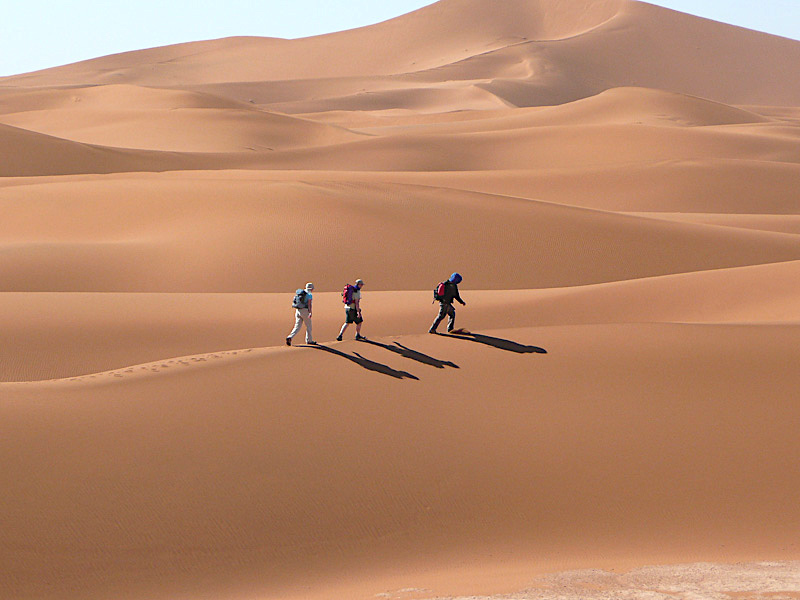
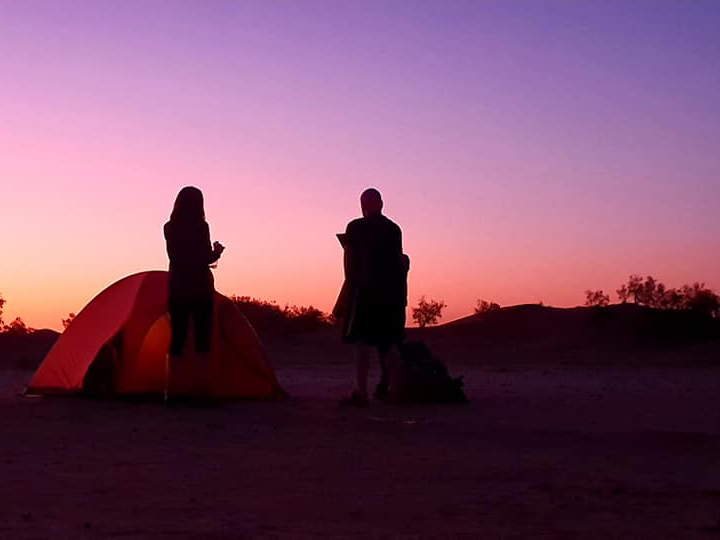
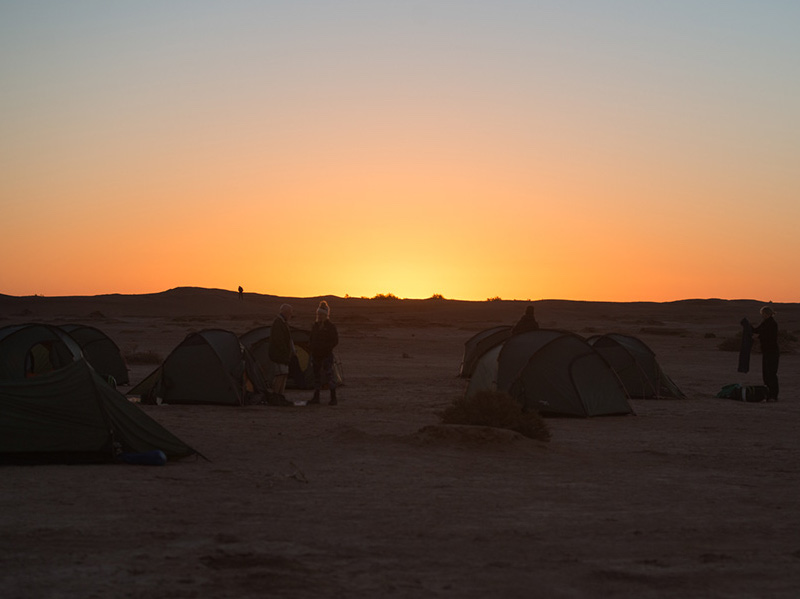
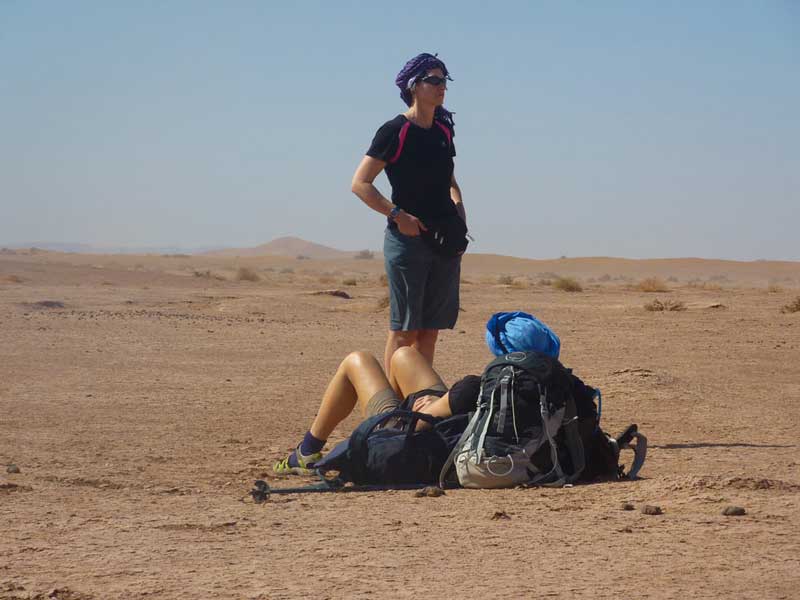
What to wear on your feet and what clothing to take is partly down to personal preference but our experiences can help you. Looking at the images in our gallery will give you a good feel as well as reading our two articles on Sahara footwear and what to wear in the Sahara.
Image Gallery



Sahara – Notes
The following tabs provide information on the various subjects. If you have any questions, please call Terry on 01529 488159 or 07725 943108.
Like boots and sleeping bags, if you are going to use them time and time again, treat them as investments (in you!) and get the best you can. Daypacks need to be comfortable and ‘fit for purpose’.
Our recommendation for this trek is a daysack with a capacity of around 30 – 35 litres. It may appear big but it’s about carrying bulk rather than weight.
Read our comprehensive article on how to choose a daypack, what ‘fit for purpose’ means, what to consider (including capacity), and links to the main manufacturers, as well as whether it may be better to hire.
For the Sahara (in Nov), you will need a sleeping bag with a rating of around 0°C (zero). Despite the potentially hot days, it can get chilly overnight and can be emphasised by the difference in temperature between day and night (a 20°C difference is not unusual).
Note – We have sleeping bags for hire in Morocco. They are synthetic, rated to zero, and do the job. Cost – £20 (provide your own liner). It saves buying one, and space in your luggage! You can book one on the booking form.
Which one? What temperature rating? Synthetic or down? Buy or hire?
Whatever it is, it’s got to do its job and that is to keep you warm at night. Let’s be clear, sleeping bags do not produce heat, you do. A sleeping bag’s job is to retain your body heat so it’s all about what that bag is made of and its design.
Sleeping bags are measured in temperature ratings these days so look for the ‘comfort rating’ (see below for what this means).
These figures are subjective and you can always wear wooly hats (huge effect) and fleeces inside your bag to help the process.
Pay attention to the ‘fit’. As bizarre as that may sound, bags do come in various lengths and also to fit females (shaped differently). You don’t want a bag to be too snug (claustrophobic) as that warm air you are producing needs to circulate. We all like a bit of wiggle room and it’s useful to be able to store some stuff!
Tip … experienced trekkers will routinely store all sorts of stuff in their sleeping bags overnight (some bags have pockets). Examples are head torches (keep it handy), camera batteries in a bag (prevent deterioration), and socks (warm for the morning)!
Synthetic bags are cheaper, easier to maintain (wash), and more robust when it comes to different conditions. But they are bulkier and heavier.
Down bags are more expensive and need more care (don’t get them wet). But they are lighter, and more compact.
Buy or hire? This very much depends on whether your trek is a ‘one-off’ or you intend to use it again. You can hire good, professionally laundered sleeping bags from trek hire companies if you don’t wish to buy something you may not use again.
Head for the big stores like Cotswold Outdoors, Go Outdoors, etc… to see for yourself the array of bags and how they feel. Armed with the information you need, start to narrow down your search. Do some homework….
Go Outdoors – sleeping bag guide.
Cotswold Outdoors – sleeping bag guide.
Temperature Ratings – There is a European Standard to be able to compare sleeping bag performances and sleeping bags will have a label inside them:
- Comfort — the temperature at which a standard female can expect to sleep comfortably in a relaxed position.
- Lower Limit — the temperature at which a standard male can sleep for eight hours in a curled position without waking.
- Extreme — the minimum temperature at which a standard female can remain for six hours without risk of death from hypothermia (though frostbite is still possible).
Waterproofs are not the first thing that comes to mind with the Sahara! But it does rain there and when it does, it tends to be heavy.
A waterproof top (at least) I would deem as essential. Without it, you could be in for a very uncomfortable ride and the word hypothermia immediately comes to mind. Don’t underestimate how quickly that can happen.
Experienced trekkers will likely have a full set of waterproofs (top and bottoms). If you have them, put them in the bottom of your daysack and leave them there. Hopefully you won’t need them.
They can be expensive and it therefore poses the question of what should you buy – the array of options can be daunting.
Key point – never buy waterproofs without trying them on. The fit, style, feel and design all have a huge impact on whether they feel right for you.
Put simply, you want a jacket that will keep you dry in a sustained downpour. A ‘pacamac’ isn’t going to do this! It needs to be relatively lightweight, compact and (in my view) of ‘shell’ construction. In other words, one without a fixed inner layer such as a fleece. You can always add an inner layer (make sure the shell is big enough to accommodate an inner layer) but make sure it’s not fixed in to start with or it’ll be too warm to trek in. Give yourself the flexibility to change up or down as the weather dictates. Remember, it’s not always cold when it rains.
Until you start trying them on, you won’t get the feel of what you want. The hood, zips, cuffs, pockets, will all be factors as to whether it’s right. So go to the big stores such as Cotswold Outdoors, Go Outdoors, Mountain Warehouse, etc.. where they have plenty of choice and see what’s what.
For a decent quality jacket, you won’t get much change out of £150 but think of it as an investment if the intention is to use it time and time again. Do your homework, keep your eye out for sales or closing down shops or end of the line garments, etc.. and strike. Know your prices for the right jacket.
You Cannot Afford To Travel Without Travel Insurance – Simple
Travel insurance should be considered an integral part of your trip costs. Accidents can happen to anyone at any time.
Take a look at some of our personal experience case studies.
Our Personal Experience Of Travel Insurance Claims
A back injury whilst trekking in Bhutan – helicopter evacuation, estimated cost in excess of £15,000.
A client with High Altitude Cerebal Endima (Everest Region), helivac’d and hospitalised in Kathmandu for 1 week. Released back to UK under Para Medic escort (flown in from UK). Estimated cost in excess of £20,000.
Client gastro problem in Morocco, hospitalised for 3 days (Marrakech), change of flights, etc.. estimated cost £2500.
Remember … it’s not just the cost of any form of evacuation. It’s the cost of all services associated with leaving the scheduled itinerary such as accommodation, the cost of additional manpower to escort you, transport and food plus the medical expenses.
Take a moment to consider how a simple accident can cost upwards of £10,000 and how long that would take to pay off if you had to do it from your own pocket? All for the sake of saving around £100 for the cost of an adequate travel insurance policy. It’s simply not worth the risk.
TIP! As soon as you book any trip, investigate, decide and buy your travel insurance.
Why? Because even half decent policies will cover you for cancellation of your trip from the date of purchase, not just the period of your cover.
To be adequate, your policy MUST cover you for:
- Medical emergencies including rescue and repatriation to UK.
- All activities you will be undertaking.
Some advice…
- Missed departure – make sure this section covers the cost of a one way flight home. If it doesn’t, consider increasing it, using a policy that does or be prepared to pay the extra!
- Most travel insurance companies use a ‘pay and claim’ system. Carry a credit card with adequate funding capacity for emergencies.
- If you need to claim – call your insurance company immediately (or as soon as possible; don’t delay). They will give you advice. Check phone calls are a claimable cost. Keep all paperwork and receipts related to the claim, take photos if appropriate, videos/images of delayed flight information, etc…you are highly likely to need them to support any claim.
- Purchase your insurance policy as soon as you can after booking a trip. Policies should cover you for cancellation of your trip prior to departure due to injury or illness.
- Travelling more than once in a year? Consider an annual policy; usually cheaper.
- Check policies you may have with banks or building societies; some are not geared for adventure travel.
Here are some companies that some of our previous clients have used before and found their cover to be adequate for their needs. Make sure that you check the policies yourself for what YOU want it for:
True Traveller
Easy site to use, set up by travellers and a good place to start.
Add sections onto the policy, step by step, and see the premium change as you do.
The basic ‘Traveller’ policy covers the Sahara trekking wise.
The annual multi-trip policy is excellent value; worth a look if you’re likely to travel twice in a 12-month period.
Try switching the excess toggle to zero excess, for a few pounds, it could be worth it on smaller claims.
You don’t have to be a Doctor or medical professional to be well prepared medically for an adventure.
Nothing will spoil your trip more than having health problems. With just a little thought about what might happen and together with knowledge of your own body, it should be sufficient for you to prepare a decent personal First Aid kit.
Quick checklist:
- Adequate travel insurance
- A personal First Aid kit (see below)
- Up to date and appropriate vaccinations for your trip (see below).
- A dental check up prior to travel.
Food hygiene standards in third world countries are less than what you are used to; a change of bowel movement is likely! The question is, to what degree! Travellers’ diarrhoea is very common so be ready for it! Read more about traveller’s diarrhoea.
Vaccinations – see the separate Vaccinations tab below.
Personal First Aid Kit
This is a suggested list of what you might consider carrying. It is not exhaustive. Build your own by adapting it to your own wishes/needs.
- Zovirax, cold sores
- Lip balm, preferably sun protective
- Steristrips
- Crepe bandage
- Vaseline
- Safety pins
- Cold/Flu capsules
- Imodium, diarrhoea
- Strepsils or similar, throats
- Ibuprofen, pain inflammation
- Paracetamol, pain killer/headache
- Asprin, sore throat/various
- Dioralyte, dehydration
- Gaviscon, indigestion
- Insect repellent
- Zinc oxide tape, for blisters
- Compede, for blisters
- Melonin Pads for injuries
Passports & Visas – For up-to-date information on entry requirements into Morocco, please visit the FCDO Travel Advice webpage for Morocco.
IMPORTANT – you are strongly advised to carry your passport with you at all times. Checks by the authorities are being carried out and failure to produce identity documents may lead to issues.
We do not include or sell international flights. We can assist you with advice on the best flights based on our extensive experience of such matters in order to get you to, and from your destination based on your own travel plans. Read our article on how best to fly to Morocco from the UK.
London not convenient? – Other regional airport options are possible. We appreciate the potential inconvenience of London if you live some distance away. Whilst using regional airports may cost more, that cost may be offset by the cost and time of travelling to London. Please ask for advice.
YYou will need a daysack and a trek holdall.
Daysack – The recommended capacity is 35 litres. The following are likely to be in it (weight fully loaded 6 – 7 kg):
- waterproofs, fleece, duvet jacket, hat/gloves
- water, snacks
- sunhat, sunscreen, sunglasses
- personal hygiene (toilet tissue, hand sanitiser)
- camera
- personal first aid kit
Trek Holdall – A holdall is a soft-skinned bag that will carry the remainder of your clothing/equipment, wash kit and sleeping bag. The camel/mule train will not walk alongside you during the day therefore when planning your packing, bear in mind that once your bag leaves you in the morning, you may not see it again until you reach camp at the end of the day.
Storing Luggage in Morocco – free and safe storage facilities are available in hotels so you can leave clothing behind whilst you trek.
Travelling there – Depending on where you are travelling to (and therefore what’s going with you), and how you’re getting there (direct flight or transiting another airport), consider what luggage you use to get your belongings there. The airport baggage handling systems can be rough at times.
In Marrakech and Ouarzazate we use a variety of hotels and local Riads depending on the size of the group.
Riads are beautiful, traditional Moroccan establishments. The term comes from the Arab word ‘ryad’ (meaning ‘garden’) but is applied to townhouses built around an inner courtyard or garden. They are likely to have lush plants and a central fountain. The more upmarket ones will also have a Spa or Hammam. They are more suited to small groups. Most will not sell/serve alcohol.
Hotels are usually bigger, 4* establishments, typically with swimming pools, air-conditioned rooms, a bar, and other facilities.
You will be informed of the Riad/Hotel in the Final Details document sent to you prior to departure.
Accommodation In the Sahara – 2 person tents. Be aware that you will be required to put the tents up/down, or at least assist. They are simple designs and once shown, it’s easy enough. The staff will help you if required.
Sleeping mats in the desert are provided.
Single room option costs and details are shown on the webpage.
The fee entitles the client to a hotel/Riad room to themselves (2 nights Marrakech, 2 nights Ouarzazate) and a tent to themselves (4 nights) in the desert.
Food
Hotels/Riads – All hotel/Riad accommodation is based on a B&B basis allowing you to roam and discover the vast array of amazing restaurants from traditional Moroccan cuisine to pizza houses, from late-night bars to quiet coffee shops.
Breakfasts usually are buffet style consisting of fruit, cereals, hot food, pastries, fruit juices, and hot drinks.
On trek (Sahara) – all meals are supplied on trek. There are no resupply facilities; no shops! Any preferred snacks such as energy bars must be purchased and taken with you. Please do bear in mind the potential heat when choosing your snacks (eg chocolate melts!). The food is purchased locally and carried on the camels from the outset.
To give you an idea of the food choices on the treks:
Breakfasts are continental style consisting of cereals (including porridge), bread with various spreads (jam, honey, nutella), cream cheeses, omelettes, hot drinks. The content will vary daily.
Mid-morning Snacks in the form of a big bag of mixed nuts and fruit are also often provided, magically appearing from the Guide! This mix consists of dried figs and dates, sugar coasted nuts, and more nuts of all sorts.
Lunches are freshly prepared and can range from salad with tinned fish, bread, olives, cheeses, and some fresh fruit. Hot meals can also be served, often lentils or similar.
Evening meals consist of 3 courses: soup, main course, and dessert.
Starter – various soups with bread.
Main course – traditional tagines of chicken, lots of vegetables, rice, lentils, pasta, and similar hearty dishes.
Desserts – normally tinned fruit.
Hot drinks.
Most dietary requirements can be catered for. We will take the requirement from your booking form.
Water
During your time in Marrakech and Ouarzazate, or in transit, where water can be purchased, it is your responsibility to do so. It is inexpensive. If required, your guide will show you where to buy it but in general terms, plan ahead to ensure that you have enough.
Only on the Sahara trek will water be supplied by us throughout the trek itself as there is nowhere to buy it.
The local currency is the Moroccan Dirham (MAD). You may find it difficult to obtain local currency before you arrive in the country.
We suggest that you take the majority of your money in the form of cash as you will exchange the majority of this soon after you arrive in Marrakesh, if not at the airport. After you leave Marrakesh, your opportunities to change cash will be limited. If you prefer not to carry all your money in cash, it is possible to withdraw money from ATM’s in Marrakesh and Ouarzazate using your debit or credit card.
There are money exchanges at the airport (after immigration) and also on the streets of Marrakesh (official ones) but we stress, be aware of the time of your arrival, the time you depart on the trek, and the likely opening hours of money exchangers. If in doubt, exchange your cash before departing the airport.
Money – Spending
Approximately £200 – £300 should be allowed for miscellaneous expenses including meals in Marrakesh and Ouarzazate, drinks, supplementary snacks, tips, etc. but this amount does depend on your personal spending habits and your wish to buy souvenirs.
During the trek, there are few, if any, places to buy snacks of any nature.
The Medina is a great place to shop. The traders in there are excellent bargainers. Know your prices and bargain hard!
We recommend that you carry a credit card with you at all times for emergency purposes. Travel credit cards.
Money – Guidance on Tipping
Tipping is the accepted way of saying ‘thank you’ for good service. Tips do not form part of the wages of your guides and trek crew but they are very much appreciated. It is important to remember that tipping is voluntary and should be dependent on good service. Normally the tips are given at the end of the trek and this is best done as a group.
Our advice is to budget between £30 – £40 per trekker (in local currency). Nominate a group representative to collect the tips and present them to each individual rather than giving to the Guide to distribute as this is far more personal. This is normally done as you reach the transport at the end of the trek with a short ceremony to say goodbye to the trek crew.
Further advice is given in the Final Details document provided 2 weeks prior to departure.
Fitness is very subjective and in simple terms, train for what you are going to do.
The Sahara is moderately challenging and we would recommend you adopt a regular training regime on the lead up to your departure as the fitter you are, the less it will tax you. It is not practical to provide training schedules covering fitness levels from basic to the very fit but the following should help.
The Sahara is a slow-burn endurance trek; nothing speedy! The potential high heat, basic living conditions, the undulations of the dunes and underfoot terrain will provide a combined challenge to your body. Pay attention to footwear.
Train your body to walk with what you will be using on trek; clothing, footwear and the daysack. The daysack is of paramount importance. 6-7 kg will weigh heavily on your shoulders if you have an ill-fitting daysack or one that has no waist belt to speak of.
If you are able to trek for 5-6 hrs per day, on consecutive days, carrying your daysack weighing 6-7kg, then you should be perfectly capable of completing the Sahara trek.
For any advice – call Terry on 07725 943108.
Climate change has certainly changed weather patterns in recent years. Nothing is guaranteed. In Nov, we’ve had 40°C and light frost overnight.
Take note of the Kit List and go prepared. Don’t be drawn into the ‘it will always be hot’ scenario!
You can expect warm days, if not hot, with much lower temperatures at night. Despite the fact that this region boasts 320 cloudless sky days per year, colder weather, rain and sand storms are always possible and the kit list is a reflection of that. Please ensure that you are prepared for the worst.
Vaccinations
Advice for vaccines is constantly developing. Visit your GP and the following UK travel advice website for the most up to date advice and information on where you will be travelling to. Don’t forget to include ALL travel if it includes a wider itinerary.
The following websites are excellent references to ascertain, or confirm, what is recommended for each country.
Travel Health Pro – All things travel health
Travel Doctor Vaccines (UK)
Your Guide(s) will be Moroccan, speak english and be with you throughout your adventure from the time you leave Marrakech, until you return. He will be your first point of contact for anything you may need. Engage with him early for he will enjoy the social interaction.
Depending on the size of the group, there may be an Assistant Guide, there to support the main Guide. In addition, there will be a Camp Chef, potential assistant chef and Camelteers/Muleteers, there to handle their animals.
The Camelteers/Muleteers will also act as the ‘helpers’ around camp.
The ‘crew’ is there to take care of you during your journey and their working day will be long; they eat before you rise and after you have retired. You are however part of a team and as such, everyone should aim to help generally wherever possible.
You are expected to erect and dismantle your own tent but the crew will help you if needed.
Morocco has generally good mobile coverage. On the trek, coverage is there but not all of the time. It will very much depend on exactly where you are and your network.
Morocco has a standard European 220v, 50Hz supply.
The round European 2 pin plugs are used. World power and plugs – see what works
BWC Sahara Trek 2027 Booking Form
The personal information on the form you submit below is the minimum required and will be used to administer your trip, including (but not limited to) the purchase of trekking permits and hotel bookings. Only the necessary information will be passed to our colleagues in Morocco. Our Privacy Policy.
Travel insurance – You are strongly advised to take out adequate travel insurance as soon as you have booked. Policies protect you against cancellation from the time you take out the policy for unforeseen circumstances such as injury, and long term illnesses.
Step 1 – Complete the booking form. You will get an immediate copy of what you have submitted by email. Any problems, call Terry on 07725 943108.
Step 2 – Make the deposit payment of £250. Details of how to pay are underneath the booking form.
Payment Methods
CARD ONLINE
UK-issued personal credit/debit cards (Visa, Mastercard, and AMEX).
Fees are applicable for premium/business/commercial and international cards.
Call Terry on 07725 943108 for more information.
UK BANK TRANSFER (BACS)
Account name: Travel and Trek Limited
Sort: 60-09-09
Account: 72106859
Please use your surname as the reference.
Ideas To Enjoy Marrakech
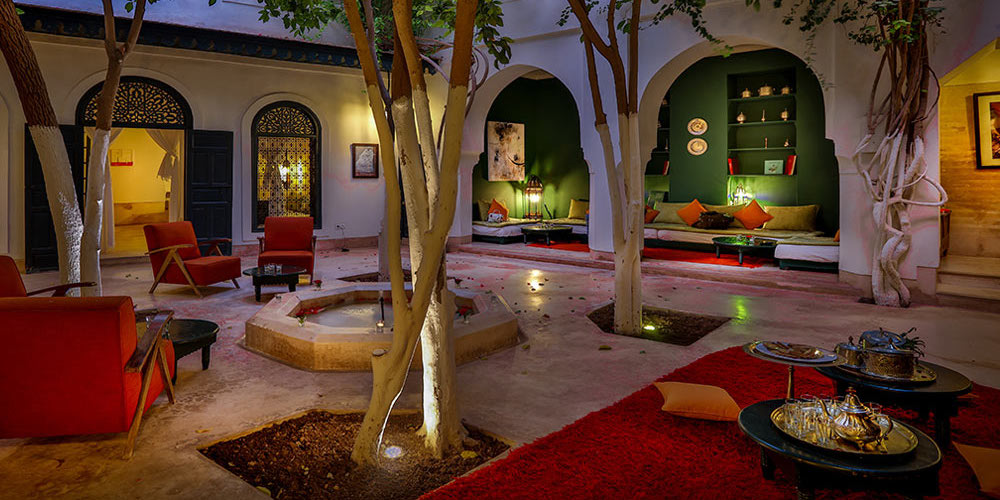
LUXURY RIAD
Treat yourself to a night or two in one of Marrakech’s hidden luxury traditional Riads. They are beautiful establishments, peaceful, and often locked deep away inside the Medina. A good base from which to explore.
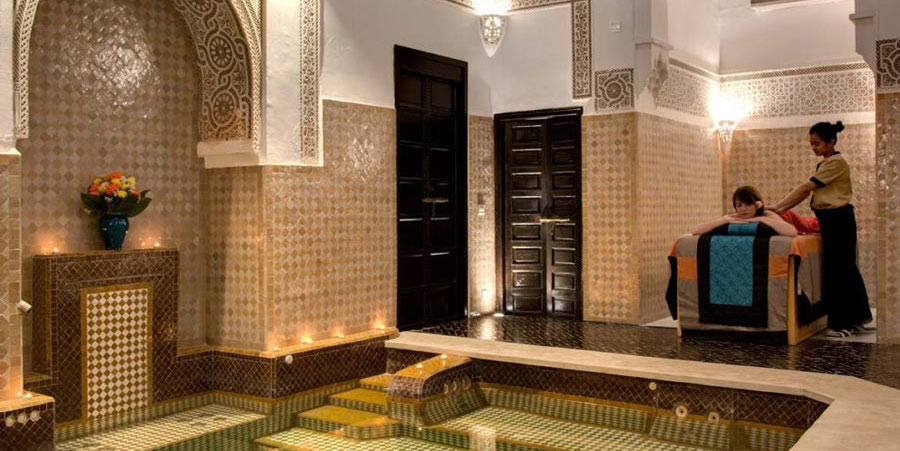
ENJOY A SPA OR HAMMAM
Relax in a quiet Spa or traditional Hammam. These can be associated with the hotel or Riad that you are staying in, or you can book another outside. Either way, booking in advance is recommended to ensure your day is planned as you like it.
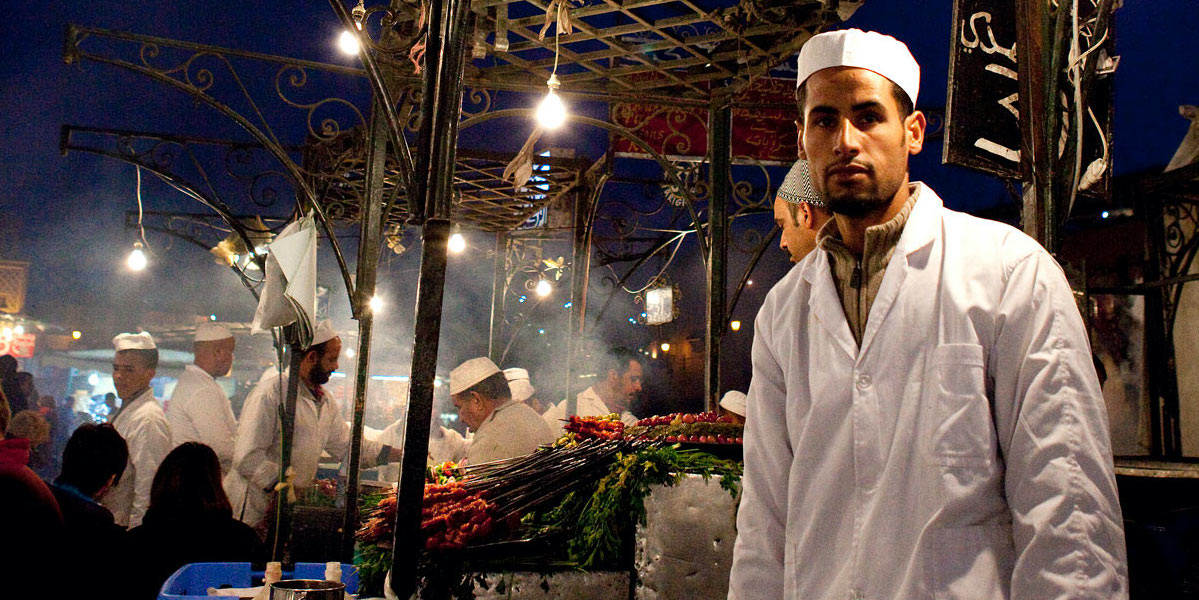
MARRAKECH’S DJEMAA EL FNA SQUARE
Experience this famous square, it comes alive at night with a sensory explosion of sights, smells, and sounds. Food stalls of all sorts and entertainers litter the whole area, certainly a sight to behold and enjoy.
See what to do in Marrakech.


